
Share this product :
Methyl Caproate
- Origin
- : Indonesia
- CAS Number
- : 106-70-7
- HS Code
- : 2915.90.90
Basic Info
- IUPAC Name
- : methyl hexanoate
- Molecular Formula
- : C7H14O2
- Molecular Weight (g/mol)
- : 130.1900
- Synonyms & Trade Names
- : Methyl caproate; Methyl hexanoate; Hexanoic acid, methyl ester
- Purity / Assay (%)
- : 98% min
- Grade / Quality Level
- : Technical Grade
- Physical Form
- : Liquid
- Concentration
- : Pure substance
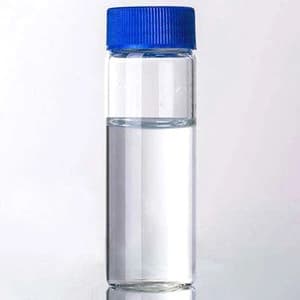
- Appearance / Color
- : Clear to slightly colored liquid
- Odor
- : Fruity, pleasant
- Melting Point (°C)
- : -71.0000
- Boiling Point (°C)
- : 150
- Density (g/cm³)
- : 0.8850
- Solubility in Water
- : Slightly soluble
- Signal Word
- : Warning
- UN Number
- : 3272
- GHS Hazard Class
- : Flammable liquids
- H-Statements
- : H226
- P-Statements
- : P210|P264|P280
- REACH Status
- : Registered
- Drug Precursor Status
- : Non-precursor
- Storage Class (GHS)
- : 3
- Storage Conditions
- : Cool, dry; away from ignition sources
Categories
Share this product :
Brief Overview
Methyl caproate also known as methyl hexanoate is a fatty acid methyl ester that has a molecular formula of C7H14O2. The compound is very hydrophobic and insoluble in inorganic solvent (water). Methyl Caproate has a fruity flavor that is naturally found in strawberries, grapes, melon, pineapples, plums, raspberries, potatoes, etc. In room temperature, methyl caproate is a colorless liquid that is insoluble in aqueous water. Methyl Caproate has a fruity flavor that is naturally found in strawberries, grapes, melon, etc. At room temperature, methyl caproate is a colorless liquid that is insoluble in aqueous water.
Manufacturing Process
Methyl caproate is fabricated by the esterification process between caproic acid and methanol at 130°C – 140°C temperature with the presence of concentrated sulphuric acid. An additional method is possible by isolating methyl caproate from the esterification process between triglycerides/fatty acids and methanol via vacuum distillation. The distillation allows methyl caproate to be purified at a desired concentration. As methyl caproate has a higher boiling point, the rest of the impurities are evaporated and the purified chemical compound is collected.