
Share this product :
Low Aromatic White Spirit
- Origin
- : Kuwait
- CAS Number
- : 64742-82-1
- HS Code
- : 2710.19.90
Basic Info
- IUPAC Name
- : Low aromatic white spirit (petroleum)
- Molecular Formula
- : C7-C12 aliphatic hydrocarbon mixture
- Synonyms & Trade Names
- : Low aromatic white spirit; LAWS; Stoddard solvent; Mineral spirits
- Purity / Assay (%)
- : Aromatic <1%
- Grade / Quality Level
- : Industrial Grade
- Physical Form
- : Liquid
- Concentration
- : Pure substance
- Appearance / Color
- : Clear to slightly colored liquid
- Odor
- : Mild petroleum
- Boiling Point (°C)
- : 140-210
- Density (g/cm³)
- : 0.7850
- Solubility in Water
- : Insoluble
- Signal Word
- : Danger
- UN Number
- : 1300
- GHS Hazard Class
- : Flammable; Skin irritant; Aspiration hazard
- H-Statements
- : H226|H304|H315|H336
- P-Statements
- : P210|P261|P271|P280|P301+P310|P331
- REACH Status
- : Registered
- Drug Precursor Status
- : Non-precursor
- Storage Class (GHS)
- : 3
- Storage Conditions
- : Cool, ventilated; away from ignition sources
Categories
Share this product :
Brief Overview
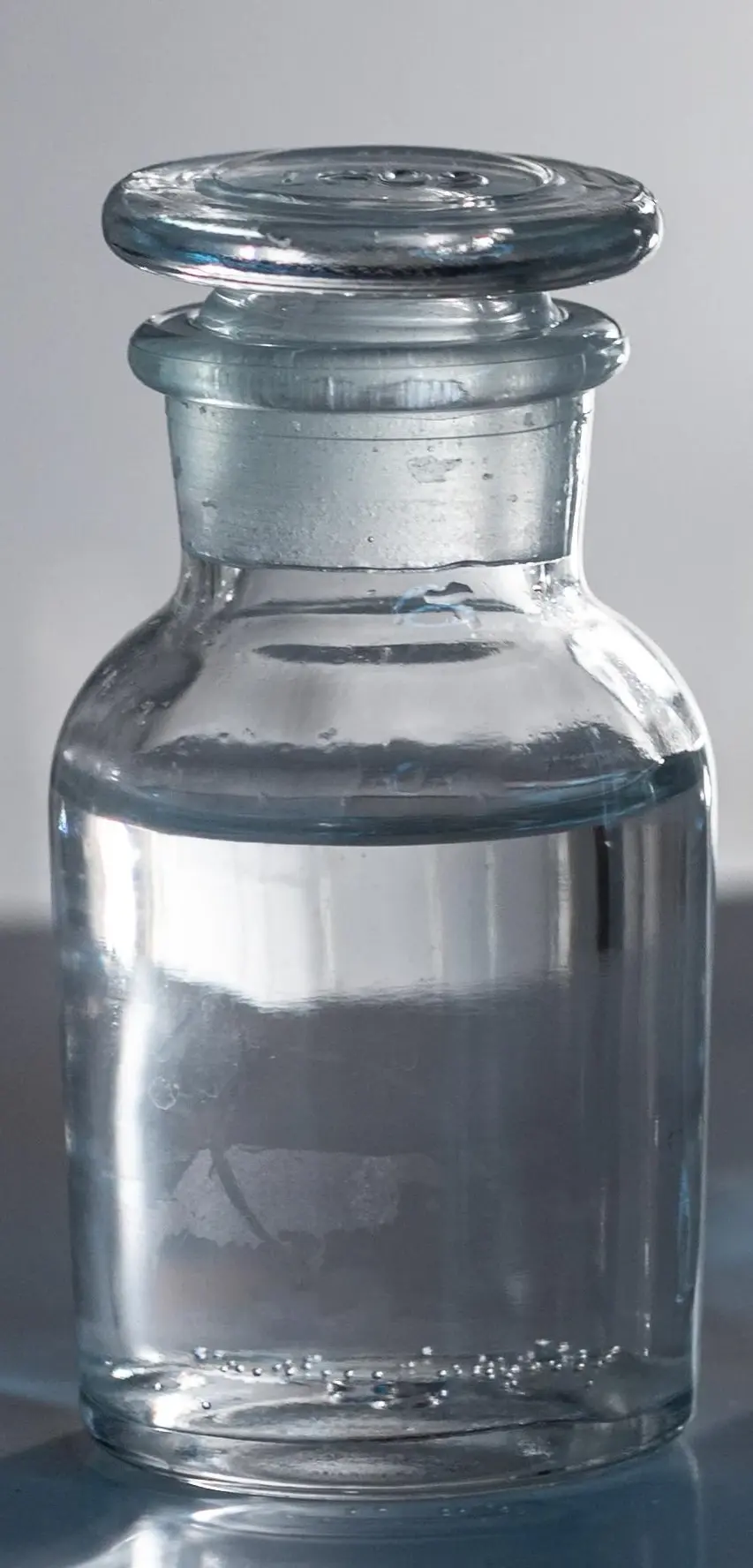
White spirit is a transparent, clear, and petroleum-derived clear liquid with a detectable characteristic odor. It is composed of complex hydrocarbon mixtures produced by hydro-treating petroleum cut. It is first developed in 1924 by Atlanta dry cleaner W. J. Stoddard and Lloyd E. Jackson who worked in the Mellon Institute of Industrial Research. Now there are three common types and grades of white spirits depending on its applications and the crude oil used for the first starting component.
Manufacturing Process
All types of white spirit are obtained by the distillation from naphtha and kerosene components of crude petroleum. In terms of white spirit type 1, the most common and traditional white spirit, 25 percent of its aromatics are obtained from the straight-run kerosene and straight-run naphtha by the fractional distillation process. Additionally, either after or before the distillation, a hydrodesulfurization step needs to be taken