
Share this product :
Ethyl Acrylate
- Origin
- : China
- CAS Number
- : 140-88-5
- HS Code
- : 2916.12.90
Basic Info
- IUPAC Name
- : ethyl prop-2-enoate
- Molecular Formula
- : C5H8O2
- Molecular Weight (g/mol)
- : 100.1200
- Synonyms & Trade Names
- : Ethyl acrylate; Acrylic acid ethyl ester; EA
- Purity / Assay (%)
- : 99.5% min
- Grade / Quality Level
- : Industrial Grade
- Physical Form
- : Liquid
- Concentration
- : Pure substance
- Appearance / Color
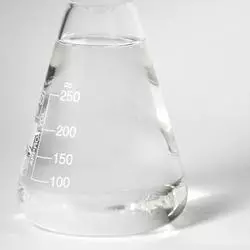
- : Clear to slightly colored liquid
- Odor
- : Fruity, acrid
- Melting Point (°C)
- : -71.0000
- Boiling Point (°C)
- : 99
- Density (g/cm³)
- : 0.9210
- Solubility in Water
- : Slightly soluble
- Signal Word
- : Danger
- UN Number
- : 1917
- GHS Hazard Class
- : Flammable; Skin irritant; Respiratory sensitizer
- H-Statements
- : H225|H315|H317|H319|H332|H334
- P-Statements
- : P210|P261|P272|P280|P284|P301+P330+P331
- REACH Status
- : Registered
- Drug Precursor Status
- : Non-precursor
- Storage Class (GHS)
- : 3
- Storage Conditions
- : Cool, dry, ventilated; inhibitor required
Categories
Share this product :
Ethyl acrylate is an acrylate monomer with a molecular formula of C5H8O2. It is a clear and volatile liquid which is slightly soluble in water and completely soluble in alcohols, ethers and almost all organic solvents. It is a very flammable liquid (fire hazard rating 3) with a flashpoint of 9° C and has a sharp acrid odour. It is easily miscible with other organic solvents and is readily polymerized with other monomer molecules to create polymer chains. It is mainly produced for paints, textiles, and non-woven fibers. It is also a reagent in the synthesis of various pharmaceutical intermediates.
Manufacturing Process
Ethyl acrylate can be chemically manufactured using several industrial methods. The most prominent method is to cause a reaction between acrylonitrile and ethanol using sulphuric acid as the catalyst. Additionally, manufacturers may also use phenolic type inhibitors, soluble manganese or cerium salts to aid its production. Alternatively, ethyl acrylate can be produced by acid-catalysed esterification of acrylic acid, which in turn is produced by oxidation of propylene. It may also be prepared from acetylene, carbon monoxide and ethanol by a Reppe reaction.